Adaptive Difficulty Systems in Browser Platforms Recalibrate Reflex and Planning Elements for School-Age Groups
Drew Schmitz · Oct 29, 2026

Adaptive Difficulty Systems in Browser Platforms Recalibrate Reflex and Planning Elements for School-Age Groups
Adaptive difficulty systems in no-install platforms adjust reflex thresholds and planning sequences by monitoring player performance metrics in real time, and these adjustments occur during shared sessions where multiple school-age participants interact simultaneously. Data from educational technology reports indicate that such systems track response times for quick actions while evaluating decision trees for strategic choices, then modify challenge levels to maintain engagement across the group.
Core Mechanisms of Recalibration
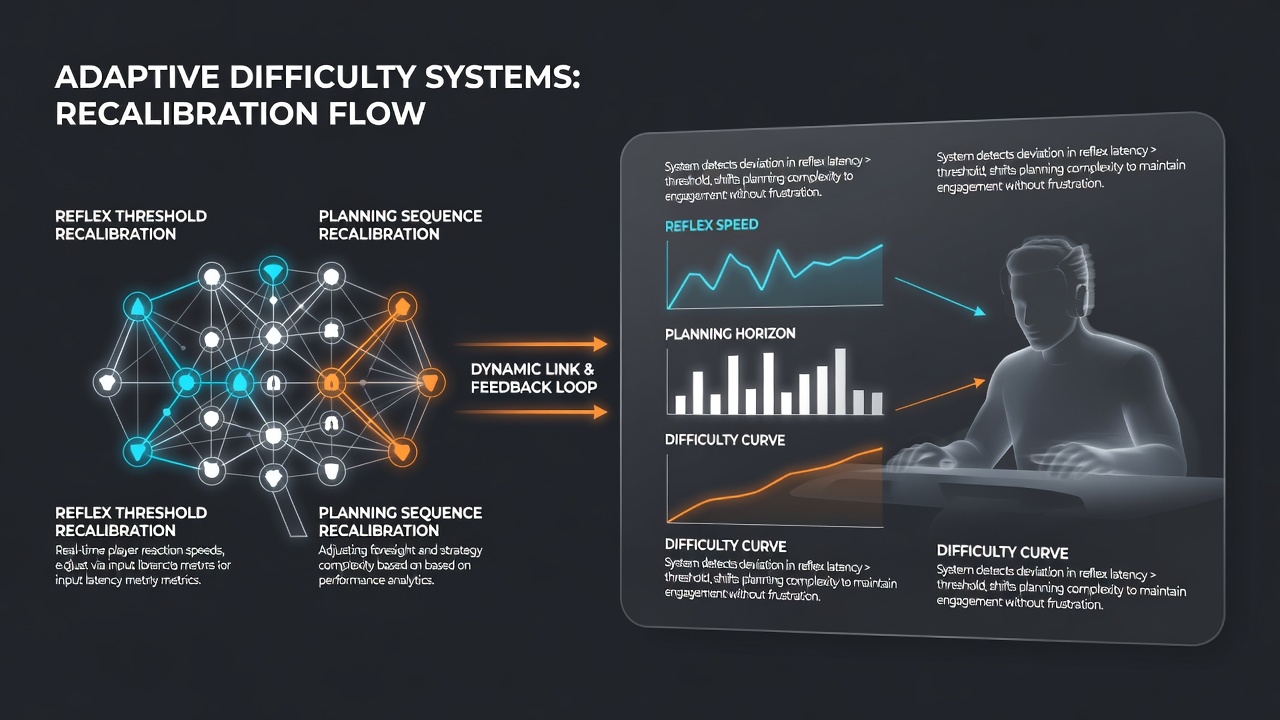
Reflex thresholds shift when the system detects patterns in timing-based inputs, such as reaction speeds during arcade-style sequences, and the platform raises or lowers the pace accordingly while preserving the overall session flow. Planning sequences receive parallel updates as algorithms assess how participants coordinate moves ahead, with complexity scaling based on group success rates rather than individual scores alone. Observers note that this dual recalibration happens through backend scripts that process data packets without requiring software downloads, allowing seamless transitions in browser environments targeted at children aged eight to twelve.
Integration During Shared Sessions
In shared sessions the systems balance individual reflex demands with collective planning needs by analyzing synchronized inputs from all participants, and this process ensures that one player's quick reactions do not disrupt the strategic layers built by others. Research indicates that platforms use modular code structures to separate timing variables from logic trees, enabling independent yet coordinated adjustments. For instance, when a group completes a planning phase ahead of schedule the reflex elements accelerate for the next segment, whereas slower coordination triggers extended planning windows to support the team dynamic.
Platform Features for School-Age Users
No-install platforms rely on HTML5 and WebGL frameworks to deliver these adaptive features, and studies from institutions such as the OECD education directorate show consistent deployment in after-school programs across multiple regions. The interfaces present visual cues that update dynamically, with reflex challenges appearing as timed prompts and planning elements rendered as map-based decisions, all while the backend recalibrates thresholds without interrupting the session. Data released in October 2026 from European digital learning networks reveal that these platforms recorded average session durations of twenty-five minutes among school-age cohorts, with adaptive recalibrations occurring every forty-five seconds on average during peak activity periods.
Performance Metrics and Adjustments
Metrics collected include reaction latency for reflex components and sequence accuracy for planning components, and the system applies weighted formulas to determine when thresholds require modification. When reflex performance falls below a calculated baseline the platform extends response windows, while planning sequences gain additional variables if the group demonstrates high coordination rates. Those who have examined session logs report that these recalibrations maintain a target success band between sixty and seventy-five percent across mixed groups, preventing both frustration and boredom during extended play periods.
Geographic Implementation Trends
Implementation varies by region, with Australian curriculum bodies integrating such platforms into classroom supplements and Canadian provincial reports documenting similar usage in community centers. The systems operate within privacy frameworks that anonymize individual data, ensuring compliance with child protection standards while still feeding aggregate performance statistics back into the adaptive algorithms. What's significant is how these platforms handle distributed connections, where latency variations across users trigger compensatory adjustments that keep reflex and planning elements aligned for the entire group.
Conclusion
Adaptive difficulty systems continue to evolve in no-install environments by refining the interplay between reflex thresholds and planning sequences, and October 2026 updates from international education networks confirm expanded adoption in school-age programs worldwide. The recalibration processes support balanced participation during shared sessions, with technical frameworks enabling precise, data-driven modifications that address both timing demands and strategic coordination. Further observations from ongoing deployments suggest sustained interest in these mechanisms as platforms refine their approaches to group-based digital activities.