Cross-Cultural Player Adaptations in Download-Free Play Spaces Merging Rapid Response Tasks With Collective Exploration Goals for School-Aged Groups
Zoe Klein · Oct 15, 2026
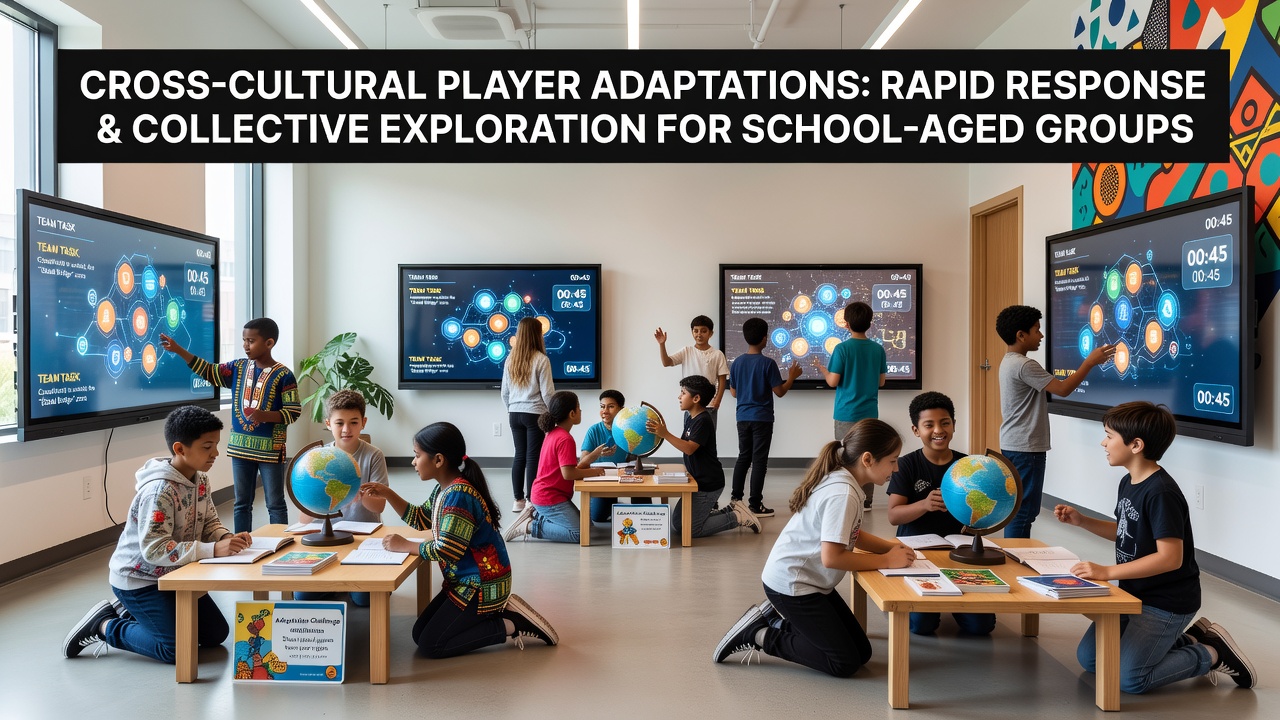
Cross-Cultural Player Adaptations in Download-Free Play Spaces Merging Rapid Response Tasks With Collective Exploration Goals for School-Aged Groups
Children from varied cultural backgrounds engage with download-free play environments that blend instant reaction sequences and shared discovery objectives, and observers note distinct adaptation patterns emerging across regions since the expansion of these platforms in educational settings. Data from multiple studies indicate that participants adjust their pacing and communication styles based on prior exposure to local gaming norms while they navigate collective goals in real time.
Observed Variations in Response Timing Across Regions
Research conducted through international school networks shows that players in East Asian cohorts often prioritize synchronized timing during reflex segments, whereas groups from North American contexts tend to distribute attention across multiple simultaneous tasks before committing to collective moves. A 2026 analysis released in October highlighted how these differences manifest in browser interfaces without requiring software installations, and figures from the Australian Institute of Family Studies reveal that session durations extend by an average of twelve minutes when mixed-cultural teams incorporate brief negotiation pauses between action phases.
Those who examined log data from distributed sessions found that European participants frequently insert explicit role assignments early in exploration phases, which allows rapid response segments to proceed with fewer interruptions. This pattern connects to broader trends documented in collaborative digital environments where cultural expectations around turn-taking influence overall group flow.
Integration of Collective Exploration With Reflex Demands
School programs in Canada and parts of Southeast Asia demonstrate that download-free formats enable seamless shifts between individual timing challenges and joint mapping activities, and evidence from classroom deployments suggests children adapt by layering verbal cues onto visual signals to maintain momentum across cultural lines. According to findings shared by the OECD Directorate for Education and Skills, such adaptations appear more pronounced in groups aged eight to twelve when exploration goals require consensus on route selection after completing timed obstacle sequences.
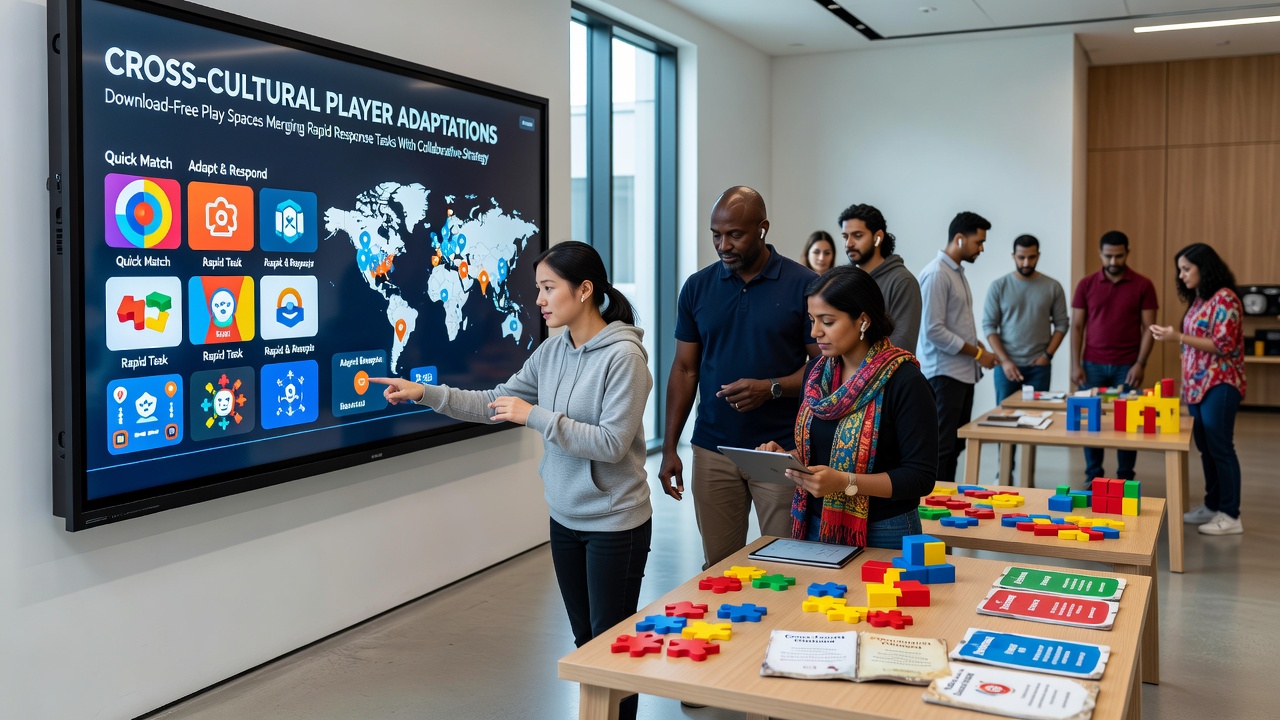
Interface designs that support state consistency during these transitions help reduce friction for participants who bring differing expectations about competition versus cooperation. Studies tracking performance metrics across continents indicate that teams incorporating players from both high-context and low-context communication cultures achieve comparable completion rates once initial calibration rounds establish shared protocols.
Skill Transfer Patterns Documented in Mixed Groups
Longitudinal observations in after-school programs reveal that repeated exposure to these hybrid formats strengthens cross-cultural coordination, particularly when rapid response tasks feed directly into collective mapping decisions. Researchers tracking cohorts in Australia and the United States note that children begin to adopt hybrid strategies, combining direct commands typical in some regions with indirect suggestions common in others, and this blending occurs without external instruction.
One study released in late 2026 tracked packet-level interactions in browser sessions and confirmed that cultural background correlates with prioritization of either speed or verification steps during joint exploration segments. The patterns hold across multiple language interfaces, suggesting the adaptations stem from social norms rather than linguistic barriers alone.
Implications for Educational Program Design
Educators working with these platforms report that pre-session orientation activities focused on cultural communication styles accelerate group cohesion, while data collected through platform analytics show reduced dropout rates in culturally heterogeneous groups that receive such preparation. Programs drawing on resources from organizations like the National Center for Education Statistics in the United States have begun incorporating these insights into curriculum guidelines for digital play sessions scheduled during October 2026 and beyond.
Adaptation continues to evolve as more regions integrate browser-based environments into regular school activities, and ongoing monitoring of participation logs provides fresh indicators of how collective exploration goals interact with culturally varied response styles over extended periods.
Conclusion
Cross-cultural adaptations in these download-free spaces demonstrate measurable differences in pacing, communication, and role distribution that researchers continue to document through global school collaborations. The merging of rapid response tasks with group exploration objectives creates conditions where participants develop flexible strategies that respect both individual reflexes and collective planning needs. Continued collection of performance and interaction data will clarify how these patterns shift as access expands across additional cultural contexts.